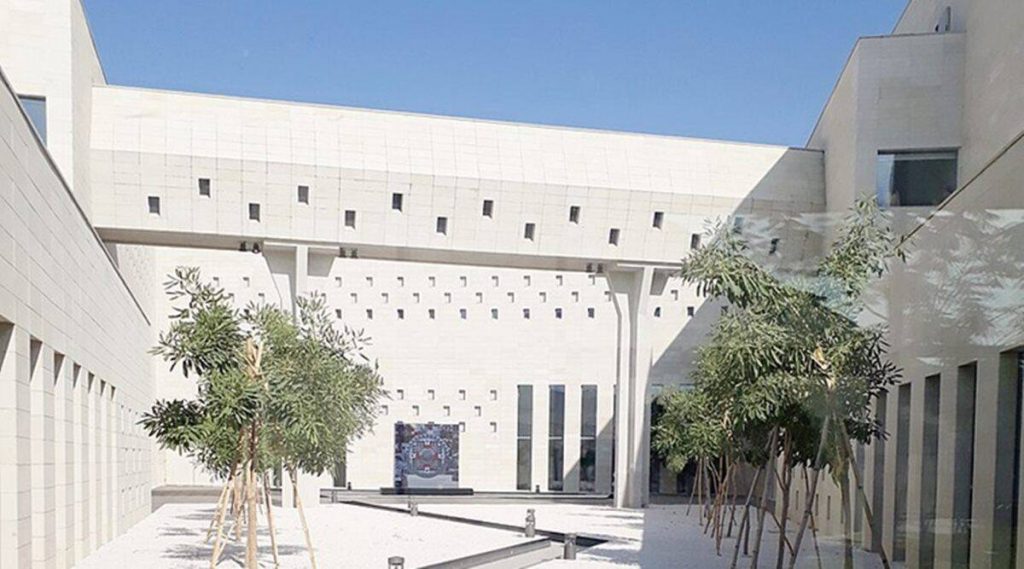
Patna is a city with a storied past and this land saw the advent of many glorious civilizations. The history of this city unravels like a ball of thread that surprises you with twists and turns as we travel over two millennia. The Patna Museum established in 1917 will soon turn a century old along with the date of discovery of its most cherished and visited artefact – the world famous Didarganj Yakshi, a statue of monumental Mauryan vision. In the state of Bihar, the need for a new museum was seriously felt, the Patna Museum having limitations, both in physical space as well as in its design and methods of presentation. Department of Art, Culture and Youth, State of Bihar (DACY) proposed a new Museum on Bailey Road on the site west of the Patna Museum. Commonly known as the Jadu Ghar, literally house of magic, to most residents of Bihar, the Patna Museum has celebrated artefacts and collections. Many of these objects of history and art are relocated to the new Museum with the vision of making it a central focus to celebrate the glorious history of this region, a catalysing force that united ancient India. With this in mind, based on competitive bidding, the world’s largest and leading firm, Lord Cultural Resources were commissioned to do the planning of a world-class Museum in Patna.For the design of the Museum building, world renowned architectural firms were invited to submit their proposals and selection was on a competitive basis. Japanese firm, Maki and Associates submitted the winning concept, which they proposed to execute with OPOLIS Architects, based in Mumbai. Maki and Associates was established in 1965 by Fumihiko Maki in Tokyo after his 10-year stint in the USA. They are the recipients of many prestigious national and international awards. For the Bihar Museum, Maki outlined a concept that was appealing to the sensory experience, fitting with practical considerations and making provisions for the future growth of the establishment. The architects visualized the Museum as if viewing it through different lenses to expand on four different facets.